
Ask ten hospital administrators how their facility is performing and you'll get ten different answers — usually a gut feeling, not a number. Yet running a hospital on instinct is how small problems become expensive ones. The fix isn't more reports; it's tracking the handful of key performance indicators (KPIs) that actually tell you whether the facility is healthy. Here are twelve hospital KPIs every administrator should watch, why each matters, and how to track them without drowning in spreadsheets.
Why KPIs matter — and why most hospitals ignore them
A KPI is simply a number that tells you whether something is going well or badly, tracked over time. Hospitals generate enormous amounts of data, but most of it sits in registers and receipts where no one can see the trend. Without KPIs, you find out about a falling collection rate or rising stockouts months too late.
The goal isn't to track everything. It's to pick a small set of metrics that, watched regularly, give you an early warning when something needs attention. Below are the twelve that earn their place.
Operational KPIs
1. Bed occupancy rate
The percentage of your beds that are occupied. Too low and you're wasting capacity; too high and you have no slack for emergencies. Watching occupancy by ward — ideally on a live bed map — tells you where to add or rebalance capacity.
2. Average length of stay
How long patients stay, on average, per admission. Rising length of stay can signal clinical or discharge bottlenecks; it also ties up beds. Track it overall and by department to spot where patients are getting stuck.
3. Bed turnaround time
The time between one patient leaving a bed and the next occupying it. Long turnaround quietly steals capacity — a bed empty for hours is revenue and care you didn't deliver. A structured discharge-and-clearance process is the lever here.
4. OPD patient throughput
How many outpatients you see per day, and how that trends. Falling throughput may mean wait times are pushing patients away; rising throughput needs matching staffing. Pair this with wait-time data for the full picture. (See reducing OPD wait times.)
Financial KPIs
5. Total revenue (by department)
Revenue overall, broken down by OPD, IPD, pharmacy and lab. The breakdown matters more than the total — it shows which parts of the facility are growing or slipping. Good reporting and analytics gives you this without manual tallying.
6. Revenue per patient
Total revenue divided by patient count. A useful efficiency measure: are you delivering (and capturing) appropriate value per visit, or leaving services unbilled?
7. Collection rate
The percentage of billed revenue you actually collect. A gap between billed and collected is pure leakage. If this number isn't near-complete, you have a billing or follow-up problem worth chasing. (See reducing revenue leakage.)
8. Pharmacy margin
Pharmacy revenue against true cost-of-goods. Many hospitals think their pharmacy is profitable until they cost sales at real batch prices. Track margin honestly — it's often where the biggest financial surprises hide. (Pharmacy management.)
9. Outstanding receivables
Money owed but not yet collected — credit bills, pending IPD balances. Rising receivables tie up cash and signal that discharges or follow-ups aren't closing the loop.
Quality & experience KPIs
10. Report turnaround time
How long from a test or scan being ordered to the patient getting the result. Slow turnaround frustrates patients and referring doctors and is a common, fixable bottleneck — especially when reports are delivered automatically over WhatsApp or a portal.
11. Patient satisfaction
A simple post-visit rating, collected consistently. One number won't capture everything, but a trend in satisfaction is an early warning system for problems you can't see in financials. Automated feedback after each visit makes this practical to collect.
12. Staff attendance & punctuality
Hours actually worked versus scheduled, and lateness trends. This affects both cost (payroll accuracy) and care (are shifts actually covered?). Biometric attendance turns this from a guess into a number.
How to actually track them (without spreadsheets)
Twelve KPIs sounds like a lot of manual work — and if you're assembling them by hand from registers, it is. That's why most hospitals don't track them. The practical answer is to let the system that already records every transaction roll the numbers up for you.
A few principles make KPI tracking sustainable:
- Capture data once, at the source. If every receipt, admission and test is recorded in one system, the KPIs are a by-product, not extra work.
- Watch trends, not single numbers. A collection rate today means little; the same number falling for three months means a lot.
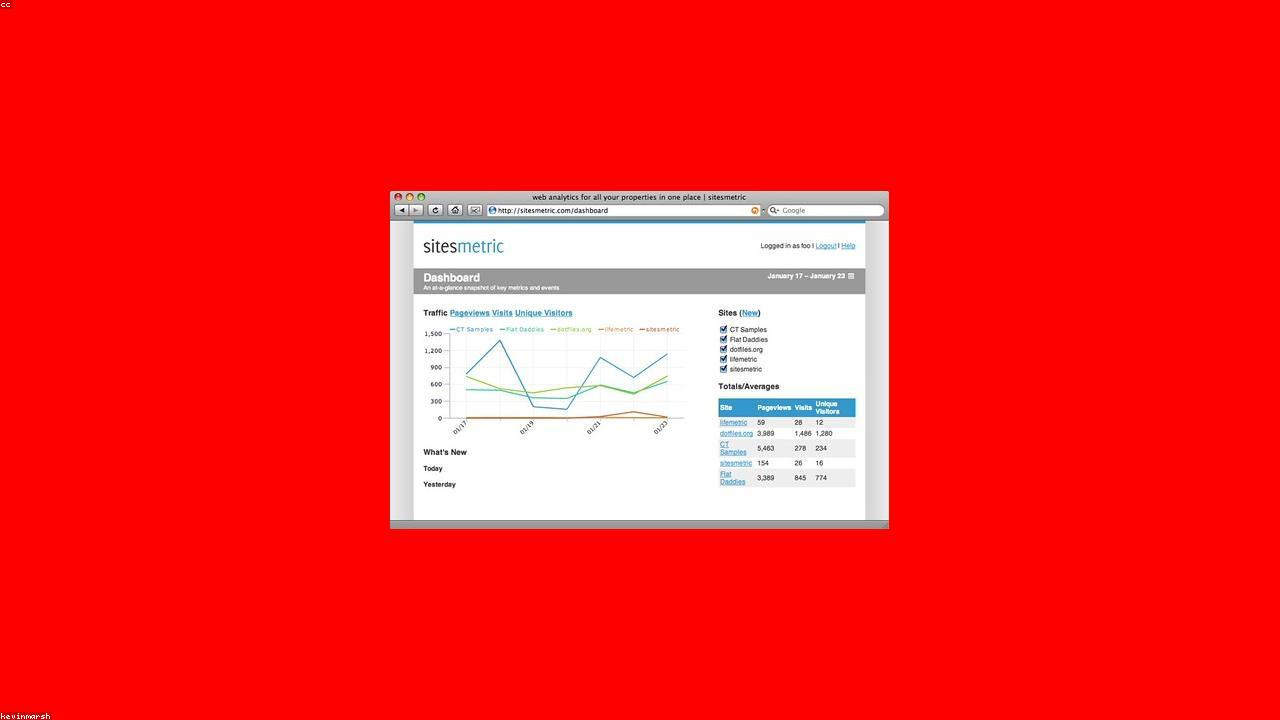
- Use a dashboard, not a monthly scramble. A management dashboard that shows occupancy, revenue and the day's collection at a glance beats a report you assemble after the fact.
- Review on a rhythm. Pick a weekly and a monthly cadence and stick to it. KPIs only help if you actually look at them.
Start small
If twelve feels like too many to begin with, start with four — one from each group:
- Bed occupancy (operations)
- Collection rate (financial)
- Report turnaround (quality)
- Revenue by department (financial/strategic)
Get those visible and reviewed weekly, and you'll already see problems sooner than most facilities ever do. Add the rest as the habit sticks.
The bottom line
You can't improve what you can't see. The right hospital KPIs — a manageable set across operations, finance and quality — turn a facility run on instinct into one run on evidence. The trick is to capture data once at the source and let your system roll it into dashboards, so tracking is a by-product of running the hospital rather than a second job.
Want a management dashboard that surfaces these KPIs from every transaction automatically? Book a free Medisync demo or explore reporting and analytics.